
Technician
Absorb what is useful, discard what is useless.
Technicians are true artists. They execute with precision, technical mastery, and strategic thinking. They prefer to specialize in a single art, dedicating their time to complete mastery of their discipline. They rarely feel content in their practice; they believe there is always room to improve. Their attention to detail, analytical mindset, and commitment to constant improvement make them formidable exponents and respected authorities in the realm of martial arts.
“I fear not the man who has practiced 10,000 kicks once, but I fear the man who has practiced one kick 10,000 times.”
— Bruce Lee
Top traits
Tradition — 70%
Grappling — 60%
Internal — 60%
Self-defense — 50%
Focus areas
Technical masteryPrecisionSingle-art depthSelf-defenseTraditional
Styles for this archetype
Wing Chun (詠春拳)
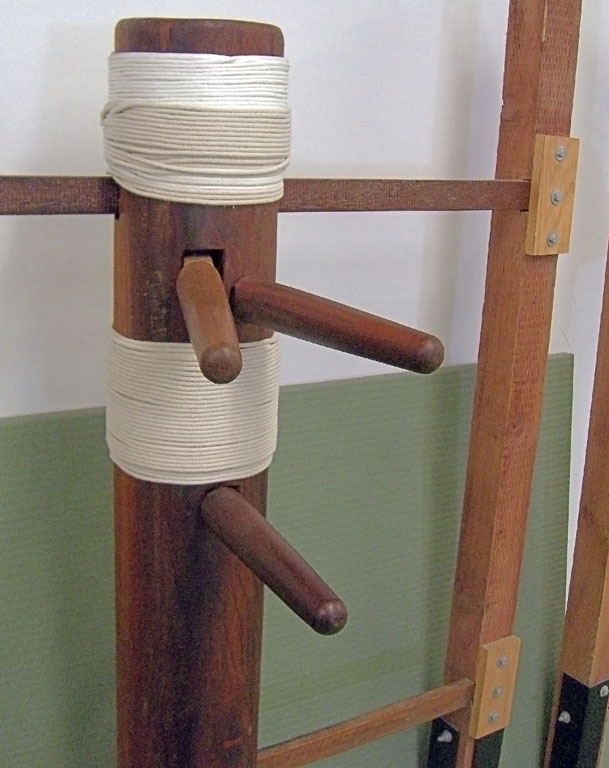
Wing Chun (詠春拳) is a Southern Chinese martial art emphasizing close-range combat, simultaneous defense and attack, and economy of motion. Popularized globally by Ip Man and Bruce Lee, it uses centerline theory and sensitivity training — Chi Sau (黐手, sticky hands).
🇨🇳 ChinaStriking
Judo (柔道)
Judo (柔道, "the gentle way") was founded by Jigoro Kano in 1882. It is a throwing-dominant grappling art with groundwork — newaza (寝技). It has been an Olympic sport since 1964 and is practiced by millions worldwide.

🇯🇵 JapanGrappling
Kung Fu (功夫)
Kung Fu — gongfu (功夫) — is a broad term for Chinese martial arts, or wushu (武術), encompassing hundreds of styles. Training typically includes forms — taolu (套路) — conditioning, and combat applications with an emphasis on philosophy and tradition.
🇨🇳 ChinaStriking
Pencak Silat (Pencak Silat)
Pencak Silat is the umbrella term for Indonesian martial arts encompassing hundreds of styles. Pencak (artistic performance) and silat (combat application) together feature flowing strikes, devastating sapuan (sweeps), and intricate kuncian (joint locks), often incorporating spiritual and cultural elements.
🇮🇩 IndonesiaHybrid
Tai Chi (太極拳)
Tai Chi — Taijiquan (太極拳) — is a Chinese internal martial art practiced for health, meditation, and self-defense. Its slow, flowing movements build balance, reduce stress, and develop internal energy — qi (氣).

🇨🇳 ChinaInternal
Karate (空手)
Karate is a Japanese striking art that uses punches, kicks, knee strikes, and open-hand techniques. Originating in Okinawa, it emphasizes kata (型, forms), kihon (基本, basics), and kumite (組手, sparring).

🇯🇵 JapanStriking
Brazilian Jiu-Jitsu (Jiu-Jitsu Brasileiro)
Brazilian Jiu-Jitsu — Jiu-Jitsu Brasileiro — is a grappling-based martial art focused on ground fighting and submission techniques. Developed by the Gracie family, it emphasizes that a smaller person can defeat a larger opponent using leverage and technique.

🇧🇷 BrazilGrappling
Notable Technicians
Bruce Lee (李小龍)
Bruce Lee was a martial artist, actor, and philosopher who is widely considered the most influential martial artist of all time. He bridged Eastern and Western martial arts, founding Jeet Kune Do — a hybrid philosophy that rejected rigid style boundaries in favor of practical, adaptable combat.

Ip Man (葉問)
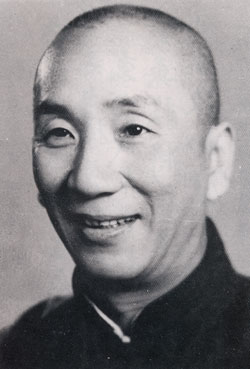
Ip Man was a Wing Chun grandmaster who popularized the art in Hong Kong and trained many notable students, most famously Bruce Lee. His teaching lineage is responsible for spreading Wing Chun worldwide, making it one of the most practiced Chinese martial arts today.
Jigorō Kanō (嘉納治五郎)
Jigorō Kanō founded Judo in 1882 by distilling the most effective techniques from traditional Jujutsu into a modern martial art and sport. He established the Kodokan and championed the philosophy of "maximum efficiency, minimum effort" — principles that would shape martial arts education worldwide.
Hélio Gracie
Hélio Gracie adapted traditional Judo techniques for smaller, weaker practitioners, emphasizing leverage and submission over strength. Along with his brother Carlos, he co-founded Brazilian Jiu-Jitsu — a system that would transform martial arts and become the foundation of modern MMA.
