Wing Chun
詠春拳
AI-generated content — may contain inaccuracies
At a Glance
Who It's For
What You'll Learn
Siu Nim Tao (小念頭, first form: centerline, structure, relaxation)
Chi Sau (黐手, sticky hands) sensitivity and reflex training
Chain punching and simultaneous block-strike technique
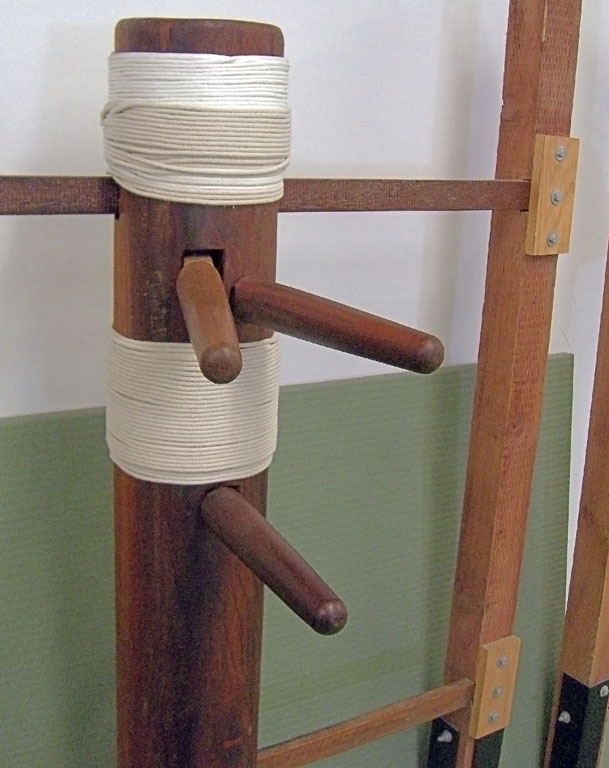
Wooden dummy — Muk Yan Jong (木人樁) — techniques
Chum Kiu (尋橋, second form: turning, stepping, bridging)
Baat Jaam Do (八斬刀, butterfly swords) and Luk Dim Bun Gwun (六點半棍, long pole) weapons (advanced)
Your First Class
Watch & Learn
Gallery
Legends of Wing Chun
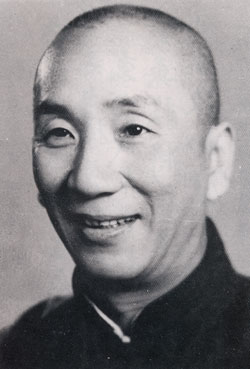
Ip Man (葉問)
Ip Man was a Wing Chun grandmaster who popularized the art in Hong Kong and trained many notable students, most famously Bruce Lee. His teaching lineage is responsible for spreading Wing Chun worldwide, making it one of the most practiced Chinese martial arts today.
Bruce Lee (李小龍)
Bruce Lee was a martial artist, actor, and philosopher who is widely considered the most influential martial artist of all time. He bridged Eastern and Western martial arts, founding Jeet Kune Do — a hybrid philosophy that rejected rigid style boundaries in favor of practical, adaptable combat.

Yim Wing-chun (嚴詠春)
Yim Wing-chun is the legendary woman after whom Wing Chun kung fu is named. According to tradition, she learned a compact, efficient fighting system from the Shaolin nun Ng Mui and used it to defeat a local warlord — proving that technique could overcome brute strength, a principle that defines the art to this day.
Wong Shun Leung
Related Styles
Jeet Kune Do
Jeet Kune Do ("Way of the Intercepting Fist") was developed by Bruce Lee as a personal combat philosophy. It rejects rigid styles in favor of directness, simplicity, and adaptability, drawing from boxing, fencing, and Wing Chun.

Kung Fu
Kung Fu — gongfu (功夫) — is a broad term for Chinese martial arts, or wushu (武術), encompassing hundreds of styles. Training typically includes forms — taolu (套路) — conditioning, and combat applications with an emphasis on philosophy and tradition.

Tai Chi
Tai Chi — Taijiquan (太極拳) — is a Chinese internal martial art practiced for health, meditation, and self-defense. Its slow, flowing movements build balance, reduce stress, and develop internal energy — qi (氣).

Boxing
Western boxing — historically known as pugilism, and often called the "sweet science" — is a combat sport focused exclusively on punching technique, footwork, and defensive head movement. It is one of the oldest and most widely practiced combat sports in the world.

Popular With
Chi Master
Mastering others is strength. Mastering yourself is true power.

Technician
Absorb what is useful, discard what is useless.

Ready to train Wing Chun?
Find schools near you and book a free trial class.