
Weaponologist
Give me any weapon.
A Weaponologist specializes in the study and mastery of weaponry. They leverage their comprehensive knowledge of weapons to exploit their range, power, and unique attributes. They have the ability to adapt their skills to different weapon types with a deep understanding of the underlying principles and mechanics that govern weapon usage. Their expertise, strategic mindset, and dedication to their craft make them formidable combatants.
“You should not have a favorite weapon. To become over-familiar with one weapon is as much a fault as not knowing it sufficiently well.”
— Miyamoto Musashi
Top traits
Weapons — 100%
Tradition — 60%
Self-defense — 50%
Performance — 40%
Focus areas
Weapons masteryTraditional weaponsRange controlTraditionSelf-defense
Styles for this archetype
Kali (Kali)
Kali is a Filipino martial art emphasizing edged — patalim (blades) — and impact weapons — baston (sticks) — with sophisticated doble baston (double-stick) and daga (knife) techniques. Different lineages (Pekiti-Tirsia, Inosanto-Lacoste, etc.) have distinct methods but share core principles.
🇵🇭 PhilippinesWeapons
Kendo (剣道)
Kendo (剣道, "way of the sword") is a modern Japanese fencing art using bamboo swords — shinai (竹刀) — and full armor — bogu (防具). Descended from kenjutsu, it emphasizes spirit (ki), sword technique, and body unity — ki-ken-tai-ichi (気剣体一致).
🇯🇵 JapanWeapons
HEMA (Historische Europäische Kampfkünste)
Historical European Martial Arts — Historische Europäische Kampfkünste — reconstructs the fighting systems of medieval and Renaissance Europe from historical manuscripts — Fechtbücher (fight books). Langschwert (longsword), rapier, and Ringen (wrestling) are the most popular disciplines.
Weapons
Kung Fu (功夫)
Kung Fu — gongfu (功夫) — is a broad term for Chinese martial arts, or wushu (武術), encompassing hundreds of styles. Training typically includes forms — taolu (套路) — conditioning, and combat applications with an emphasis on philosophy and tradition.
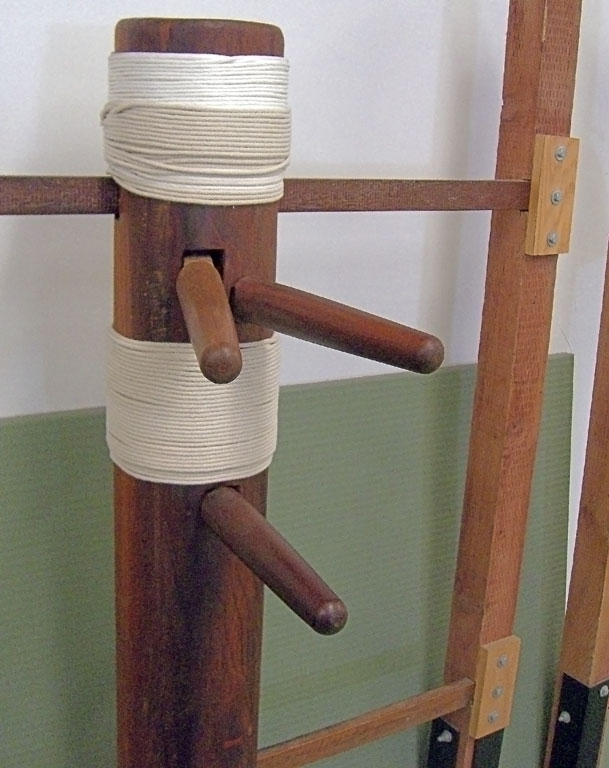
🇨🇳 ChinaStriking
Karate (空手)
Karate is a Japanese striking art that uses punches, kicks, knee strikes, and open-hand techniques. Originating in Okinawa, it emphasizes kata (型, forms), kihon (基本, basics), and kumite (組手, sparring).

🇯🇵 JapanStriking
Kalaripayattu (കളരിപ്പയറ്റ്)
Kalaripayattu (കളരിപ്പയറ്റ്) is an ancient Indian martial art from Kerala, often considered one of the oldest fighting systems in the world. It progresses through four stages: meippayattu (മെയ്പ്പയറ്റ്, body conditioning), kolthari (കോൽത്തരി, wooden weapons), angathari (അങ്കത്തരി, metal weapons), and verumkai (വെറുങ്കൈ, empty-hand/pressure-point combat).

Hybrid
Pencak Silat (Pencak Silat)
Pencak Silat is the umbrella term for Indonesian martial arts encompassing hundreds of styles. Pencak (artistic performance) and silat (combat application) together feature flowing strikes, devastating sapuan (sweeps), and intricate kuncian (joint locks), often incorporating spiritual and cultural elements.
🇮🇩 IndonesiaHybrid
Arnis (Arnis de Mano)
Arnis — also called Arnis de Mano ("harness of the hand") or Modern Arnis — is the pambansang laro (national martial art) of the Philippines, designated as such by law. It focuses on baston (stick) and blade fighting with systematic disarming — disarma — techniques and empty-hand — mano mano — applications.

🇵🇭 PhilippinesWeapons
Escrima (Eskrima)
Escrima (Eskrima, from Spanish esgrima, "fencing") is a Filipino weapon-based martial art closely related to Arnis and Kali. Visayan in origin, it emphasizes practical baston (stick) and blade combat — with a strong emphasis on corto mano (close-range) fighting.
🇵🇭 PhilippinesWeapons
Kenjutsu (剣術)
Kenjutsu (剣術, "sword technique") refers to the classical Japanese sword arts — koryu (古流, old-school traditions) — practiced by samurai (侍). Unlike Kendo, it uses wooden bokken (木剣) or blunted steel swords and focuses on partner kata (型) preserving battlefield techniques.

🇯🇵 JapanWeapons
Iaido (居合道)
Iaido (居合道, "way of mental presence and harmony") is the modern art of drawing and cutting with the Japanese sword. Standardized by the Zen Nihon Kendo Renmei (全日本剣道連盟, ZNKR), it is practiced primarily through solo kata (型) with a focus on form, etiquette — reigi (礼儀) — and spiritual development.
🇯🇵 JapanWeapons
Krabi-Krabong (กระบี่กระบอง)
Krabi-Krabong (กระบี่กระบอง) is Thailand's traditional weapon fighting art, using paired swords — krabi (กระบี่) — staff — krabong (กระบอง) — and daab song mue (ดาบสองมือ, double swords). It is the weapons complement to Muay Thai and shares the same footwork and clinch principles.
🇹🇭 ThailandWeapons
Gatka (ਗਤਕਾ)
Gatka (ਗਤਕਾ) is a Sikh martial art originating from Punjab, associated with the Nihang (ਨਿਹੰਗ) warrior tradition. It uses a wide array of shaster (ਸ਼ਸਤਰ, weapons) including the kirpan (ਕਿਰਪਾਨ, sword), lathi (ਲਾਠੀ, staff), and chakram (ਚੱਕਰ, throwing disc), and is integral to Sikh cultural identity.

Weapons
Notable Weaponologists
Dan Inosanto
Dan Inosanto is a martial arts instructor, actor, and the foremost authority on Jeet Kune Do after Bruce Lee. He is one of only three people certified by Bruce Lee to teach JKD and has dedicated his life to preserving and advancing Filipino martial arts, Silat, and Southeast Asian combat systems.

Miyamoto Musashi (宮本武蔵)
Miyamoto Musashi is Japan's most famous swordsman, known for his undefeated record in 61 duels and his dual-wielding technique. His treatise "The Book of Five Rings" remains one of the most influential texts on martial arts strategy, studied by practitioners and business leaders alike.
