Shaolin Kung Fu
少林功夫
AI-generated content — may contain inaccuracies
At a Glance
Who It's For
What You'll Learn
Traditional Shaolin empty-hand forms — Xiao Hong Quan (小洪拳), Da Hong Quan (大洪拳)
Iron-body conditioning — tie bu shan (鐵布衫) — and qigong (氣功) breathing exercises
Wu Xing Quan (五形拳, Five Animals) — hu (虎, Tiger), he (鶴, Crane), bao (豹, Leopard), she (蛇, Snake), long (龍, Dragon)
Shaolin weapon training — gun (棍, staff), dao (刀, broadsword), qiang (槍, spear), san jie gun (三節棍, three-section staff)
Chan (禪, Zen) meditation and Buddhist philosophy
Flexibility, acrobatics, and full-body athleticism
Your First Class
Watch & Learn
Legends of Shaolin Kung Fu
Bruce Lee (李小龍)
Bruce Lee was a martial artist, actor, and philosopher who is widely considered the most influential martial artist of all time. He bridged Eastern and Western martial arts, founding Jeet Kune Do — a hybrid philosophy that rejected rigid style boundaries in favor of practical, adaptable combat.

Wong Fei-hung (黃飛鴻)
Wong Fei-hung was a legendary Hung Ga Kung Fu master, traditional Chinese medicine practitioner, and folk hero. His life has been depicted in over 100 films, making him one of the most portrayed martial artists in cinema history.
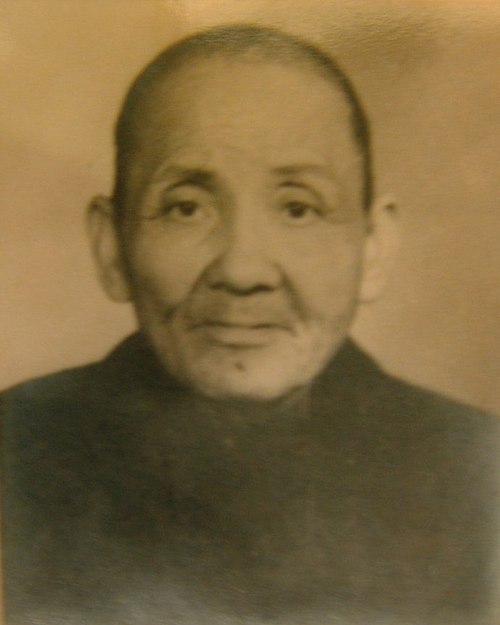
Huo Yuanjia (霍元甲)
Huo Yuanjia became a national hero in early 20th-century China by challenging foreign fighters who mocked Chinese martial arts as weak. He founded the Chin Woo Athletic Association to modernize kung fu training, and his legend — immortalized in films starring Jet Li — symbolizes Chinese martial pride.

Shi Yan Ming
Related Styles
Kung Fu
Kung Fu — gongfu (功夫) — is a broad term for Chinese martial arts, or wushu (武術), encompassing hundreds of styles. Training typically includes forms — taolu (套路) — conditioning, and combat applications with an emphasis on philosophy and tradition.

Wushu
Modern Wushu (武術, "martial art") is the standardized, sport-oriented form of Chinese martial arts. Taolu (套路, forms) emphasize acrobatic, athletic performance, while sanda (散打, sparring) provides full-contact competition.

Hung Ga
Hung Ga (洪家, Hung Gar) is a Southern Chinese martial art known for its strong stances, powerful hand techniques — kiu sau (橋手, bridge hand) — and the famous Tiger-Crane form — Fu Hok Seung Ying Kuen (虎鶴雙形拳). It emphasizes stability, rooting, and iron-body conditioning — tit san (鐵衫).
Wing Chun
Wing Chun (詠春拳) is a Southern Chinese martial art emphasizing close-range combat, simultaneous defense and attack, and economy of motion. Popularized globally by Ip Man and Bruce Lee, it uses centerline theory and sensitivity training — Chi Sau (黐手, sticky hands).
Praying Mantis
Popular With
Traditionalist
The ultimate aim of martial arts is not having to use them.

Showman
Martial art is a form of expression.
Ready to train Shaolin Kung Fu?
Find schools near you and book a free trial class.