Hakka Kung Fu
客家拳
AI-generated content — may contain inaccuracies
At a Glance
Who It's For
What You'll Learn
Explosive short-range hand techniques — fung ngan kuen (鳳眼拳, phoenix-eye fist), chui kuen (錘拳, hammer fist), jeung (掌, palm strikes)
Low stance training — ma bo (馬步, horse stance), mau bo (貓步, cat stance), hok bo (鶴步, crane stance)
Iron-body conditioning — tit san (鐵衫, forearm hardening), pai da gong (拍打功, body toughening)
Traditional Hakka forms and two-person drills — dui chai (對拆)
Close-quarters bridging — kiu sau (橋手) — and trapping techniques
Internal energy cultivation — saam jin (三箭, three arrows breathing) and neigong (內功)
Your First Class
Legends of Hakka Kung Fu
Wong Fei-hung (黃飛鴻)
Wong Fei-hung was a legendary Hung Ga Kung Fu master, traditional Chinese medicine practitioner, and folk hero. His life has been depicted in over 100 films, making him one of the most portrayed martial artists in cinema history.
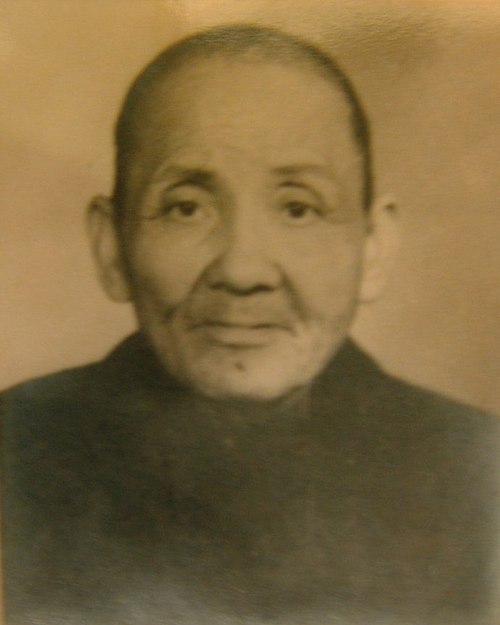
Lam Sai-wing (林世榮)
Lam Sai-wing was Wong Fei-hung's most senior and devoted student, carrying the Hung Ga lineage into the modern era. In 1917 he published the first illustrated kung fu manual, a groundbreaking effort to preserve and systematize traditional techniques that had previously been transmitted only orally. His work ensured Hung Ga survived into the 20th century.

Cheung Lai-chuen
Lau Soei
Related Styles
Hung Ga
Hung Ga (洪家, Hung Gar) is a Southern Chinese martial art known for its strong stances, powerful hand techniques — kiu sau (橋手, bridge hand) — and the famous Tiger-Crane form — Fu Hok Seung Ying Kuen (虎鶴雙形拳). It emphasizes stability, rooting, and iron-body conditioning — tit san (鐵衫).
Bak Mei
Bak Mei (白眉, "White Eyebrow") is a rare Southern Chinese martial art known for its aggressive, explosive short-range techniques. It emphasizes ging (勁, sudden power release) through the four energies — tau (吞, swallow), tou (吐, spit), fau (浮, float), chum (沉, sink) — and deceptive entries, making it one of the most feared kung fu styles.
Southern Praying Mantis
Southern Praying Mantis (南螳螂拳, Nán Táng Láng Quán) is a close-range Chinese martial art from the Hakka communities of Guangdong province. Despite sharing a name with Northern Praying Mantis, it is a completely different system — emphasizing short-range explosive power, sticky hands, and internal energy generation rather than the long-range hooking techniques of its northern counterpart.
Wing Chun
Wing Chun (詠春拳) is a Southern Chinese martial art emphasizing close-range combat, simultaneous defense and attack, and economy of motion. Popularized globally by Ip Man and Bruce Lee, it uses centerline theory and sensitivity training — Chi Sau (黐手, sticky hands).

White Crane
White Crane — Bai He Quan (白鶴拳) — is a Southern Chinese martial art from Fujian province, inspired by the movements of the crane. It emphasizes evasive footwork, rapid hand strikes — he zui shou (鶴嘴手, crane-beak hand) — and the use of an opponent's force against them.
Choy Ley Fut
Choy Ley Fut (蔡李佛, Choy Li Fut) is a Southern Chinese martial art that combines the long-range techniques — cheung kiu (長橋, long bridge) — of northern styles with the close-range power — dyun kiu (短橋, short bridge) — of southern styles. It is known for its powerful, swinging strikes and extensive weapon curriculum.
Ready to train Hakka Kung Fu?
Find schools near you and book a free trial class.