Catch Wrestling
Catch-as-Catch-Can
AI-generated content — may contain inaccuracies
At a Glance
Who It's For
What You'll Learn
Catch-as-catch-can takedowns
Submission holds from top position (pins to submissions)
Neck cranks and compression locks
Riding and controlling an opponent
Chain wrestling transitions
Your First Class
Watch & Learn
Legends of Catch Wrestling
Dan Gable
Dan Gable won Olympic gold in 1972 without surrendering a single point, then became the most successful college wrestling coach in American history. His relentless training philosophy and 15 NCAA team championships at Iowa transformed American wrestling culture.

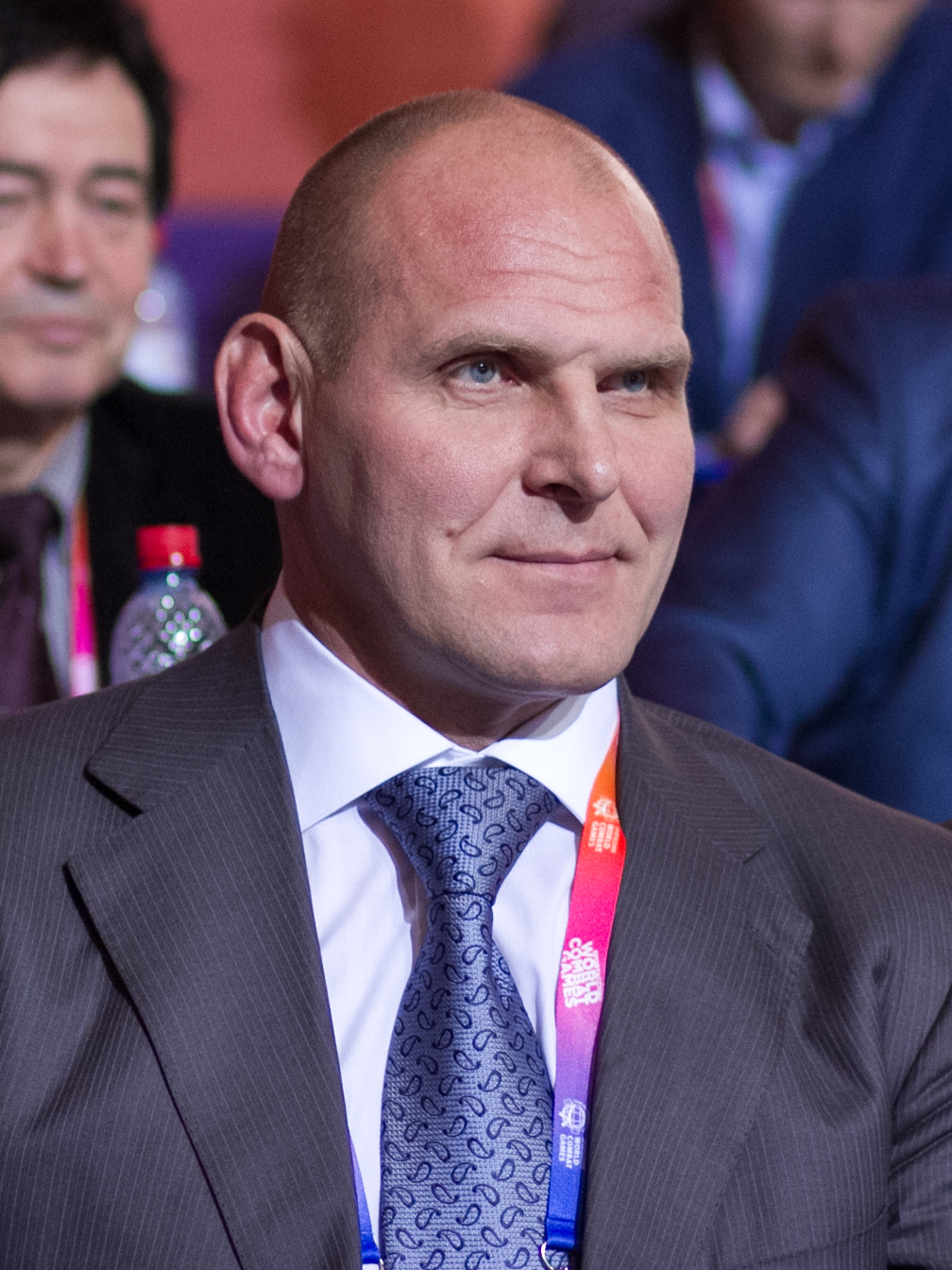
Alexander Karelin (Александр Карелин)
Alexander Karelin is widely considered the greatest Greco-Roman wrestler of all time, going undefeated for 13 years and winning three consecutive Olympic golds. His signature reverse body lift — picking up 130 kg opponents from flat on the mat — defied physics and earned him the nickname "The Experiment."
Georges St-Pierre
Georges St-Pierre is widely considered the greatest welterweight in MMA history, dominating the UFC division for nearly a decade before retiring and returning to claim the middleweight title. His relentless game-planning, wrestling control, and jab made him the blueprint for the modern "complete" MMA fighter.

Karl Gotch
Related Styles
Wrestling
Wrestling is one of the oldest combat sports, with Olympic roots dating to ancient Greek pankration (παγκράτιον) and wrestling events from 708 BC. Modern competitive wrestling includes Freestyle and Greco-Roman styles, emphasizing takedowns, control, and pinning.

Jiu-Jitsu
Japanese Jiu-Jitsu — jujutsu (柔術, "gentle art") — is the original grappling art of the samurai (侍), encompassing nage-waza (投技, throws), kansetsu-waza (関節技, joint locks), osae-waza (抑え技, pins), and atemi (当身, strikes). It is the ancestor of Judo, Aikido, and Brazilian Jiu-Jitsu.
Luta Livre
Luta Livre ("Free Fighting") is a Brazilian no-gi grappling and submission wrestling art that developed parallel to BJJ. It emphasizes catch-wrestling-style submissions and strong top control without the gi.
No-Gi Jiu-Jitsu
No-Gi Jiu-Jitsu is practiced without the traditional kimono, using rash guards and shorts. It emphasizes body control, leg locks, and wrestling-based techniques, and has grown into a distinct competitive discipline.
MMA
Mixed Martial Arts (MMA) combines striking and grappling from multiple disciplines into a unified combat sport. Competitors fight using techniques from boxing, wrestling, BJJ, Muay Thai, and more.

Popular With
Grappler
Position before submission.

Ready to train Catch Wrestling?
Find schools near you and book a free trial class.